Fragrance Guide
Layering Perfume Guide: How to Combine Fragrances Like a Pro
Master the art of fragrance layering with our comprehensive guide. Discover how to combine complementary scents, avoid clashes, and make the most out of your perfume collection for every season and occasion.
Layering perfumes is a creative way to personalize your scent and elevate your fragrance experience. By combining distinct perfumes, you can craft a unique aroma that perfectly matches your mood, style, or event. This guide breaks down how to approach layering with confidence, using real fragrance recommendations to help you mix and match like a pro.
12 June 2026 · FragMatch Editorial
Why Layer Perfumes?
Perfume layering allows you to customize your scent beyond what a single fragrance can offer. It can add depth, balance, or intrigue by highlighting different notes from two or more perfumes. Whether you want to tone down a heavy scent or enhance a subtle one, layering opens a world of olfactory possibilities tailored to you.
Choosing Your Base and Accent Fragrances
Start with a base fragrance that has a solid presence and longevity, such as Creed Aventus or Giorgio Armani Code Parfum. These provide a sturdy canvas with rich woody, smoky, or powdery accords. Accent fragrances should be lighter or complementary — for instance, Chanel Chance Eau Tendre’s fresh floral notes can brighten a deeper base, while Paco Rabanne Invictus adds an aquatic freshness to warmer blends.
Dos and Don'ts of Perfume Layering
Do experiment with shared notes, like bergamot or jasmine, to ensure harmony. Do apply lighter scents first and denser perfumes on top to avoid overwhelming the senses. Avoid layering overly similar sweet or spicy fragrances that might clash or become too intense, such as mixing two heavy vanilla-based perfumes. Additionally, steer clear of conflicting accords like leather and aquatic in equal strength, which may create discord.
Seasonal and Occasion-based Layering Tips
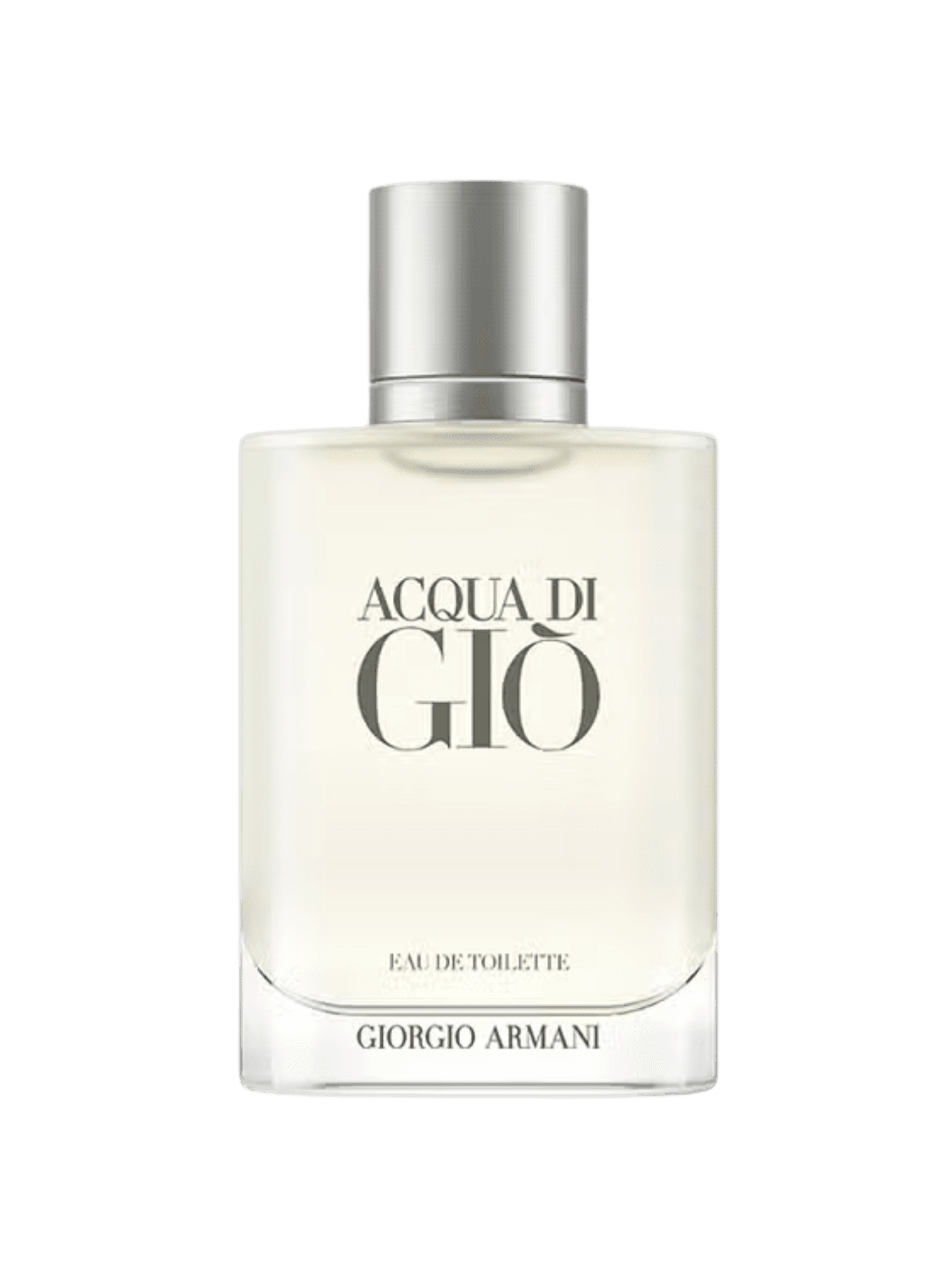
Layer fresh, aquatic, and citrus-forward scents like Giorgio Armani Acqua di Gio Profumo with woody or musky fragrances during spring and summer for a balanced daytime look. For autumn and winter evenings, combine warm spicy accords from Paco Rabanne 1 Million with vanilla-rich scents like Yves Saint Laurent Black Opium for a cozy yet alluring effect. Office and formal settings benefit from refined blends such as Jean Paul Gaultier Le Male Le Parfum layered subtly with Escentric Molecules Escentric 01, enhancing sophistication without overpowering.
Recommended Perfume Layering Combos
Try pairing Chanel Coco Mademoiselle, known for its citrus and patchouli accords, with a subtle woody base like Giorgio Armani Code Parfum to balance brightness with depth. For a sporty casual vibe, layer Paco Rabanne Invictus with Giorgio Armani Acqua di Gio Profondo to merge aquatic freshness with clean musk. Nighttime romance could be elevated by combining Paco Rabanne 1 Million Elixir’s sweet fruity vanilla with Yves Saint Laurent Black Opium’s coffee and jasmine notes.
Top 10 Fragrances
#1
Creed Aventus
Brand: Creed
Notes: Pineapple, Bergamot, Blackcurrant, Birch, Jasmine
A powerful and versatile base with fruity and smoky accords, excellent for starting a layering palette that can be highlighted with fresher or sweeter accents.
Read full review#2
Chanel Chance Eau Tendre
Brand: Chanel
Notes: Bergamot, Pear, Jasmine, Orange Blossom, Musk
Its fresh floral and musky profile makes it a perfect light top layer to add brightness to deeper bases without overpowering.
Read full review#3
Paco Rabanne Invictus
Brand: Paco Rabanne
Notes: Grapefruit, Marine Notes, Bay Leaf, Jasmine, Ambergris
With aquatic and fresh citrus notes, it invigorates warmer or sweeter perfumes, ideal for casual and sporty day layering.
Read full review#4
Jean Paul Gaultier Le Male Le Parfum
Brand: Jean Paul Gaultier
Notes: Bergamot, Mandarin, Jasmine, Heliotrope, Vanilla
Its sweet vanilla floral accords blend well with woody or musky bases for a comforting yet captivating layer on cooler days.
Read full review#5
Yves Saint Laurent Black Opium
Brand: Yves Saint Laurent
Notes: Pink Pepper, Pear, Coffee, Jasmine, Vanilla
This fragrance’s warm sweet coffee and vanilla accords enhance spicy or leathery bases for seductive evening layers.
Read full reviewQuick Checklist
Use This
- Creed Aventus for a strong base.
- Chanel Chance Eau Tendre to add freshness.
- Paco Rabanne Invictus for aquatic highlights.
- Jean Paul Gaultier Le Male Le Parfum in colder months for warmth.
- Yves Saint Laurent Black Opium for an evening sweet spike.
Avoid This
- Combining two overpowering sweet or vanilla fragrances simultaneously.
- Mixing strong leather with fresh aquatic fragrances in equal intensities.
- Layering too many scents which muddle your signature aroma.
- Ignoring your skin chemistry - always patch test.
- Using conflicting seasonal perfumes (heavy in summer, light in winter).
FragMatch Reviews to Check Next

Works Well
- Customizable fragrance experience.
- Maximizes use of existing perfume collection.
- Adapts scent to mood, occasion, and season.
- Allows discovery of unique scent combinations.
- Can enhance longevity and complexity.
Watch Outs
- Potential for clashing scents if done poorly.
- Requires experimentation and patience.
- Overdoing layering can overwhelm senses.
- Skin chemistry can unpredictably affect blends.
- Not all perfumes pair well together.
FAQ
Can I layer any two perfumes together?
While technically possible, it’s best to layer perfumes with some shared accords or complementary notes to avoid clashing. Testing small combinations beforehand helps ensure harmony.
Which perfume should I apply first when layering?
Apply lighter, fresher perfumes first as a base, then layer denser, more intense perfumes on top. This technique prevents heavier scents from overpowering lighter ones.
Does layering perfumes affect their longevity?
Yes, layering can either enhance or reduce longevity depending on the perfumes used. Generally, a strong base fragrance improves staying power when layered with softer scents.
Is perfume layering suitable for everyday wear?
Absolutely. Layering allows you to tailor your fragrance to daily activities and environments, from subtle office layers to more vibrant daytime scents.
How many perfumes should I layer at once?
Ideally, limit layering to two or three perfumes. More than that can create an overwhelming or muddled scent profile.
You May Also Like